When Should You Patch Your Asphalt Driveway?
So, you've spotted a crack or a pothole. Happens all the time, right? Especially with our crazy freeze-thaw cycles here in Canon City, that pavement really takes a beating. Look, ignoring those little issues is like ignoring a leaky faucet; it's just going to get worse and cost you more down the road. Water sneaks in, freezes, expands, and boom — that tiny crack turns into a monster, or a pothole opens up. So, the moment you see a problem, that's your cue to patch it. Seriously, don't wait for it to become a crater.
DIY Asphalt Patching: What You Can Actually Do Yourself
Alright, let's talk about what you, the homeowner, can probably handle without calling in the cavalry. For small, isolated cracks or just minor surface damage, you've got some good options. You're not going to repave your entire driveway, obviously, but you can definitely add years to its life.
Crack Filling: If your cracks are less than, say, half an inch wide, you can often fill these yourself. You'll find crack filler at pretty much any hardware store. First, clean out the crack super thoroughly—get rid of all the dirt, loose bits, and any weeds. A leaf blower or a stiff brush works wonders here. Then, just apply the filler following the product's instructions. Some you pour, some come in tubes you use with a caulk gun. Just make sure it's a good quality, flexible asphalt-based filler made for driveways. You want something that can move a little with the pavement as the temperatures swing.
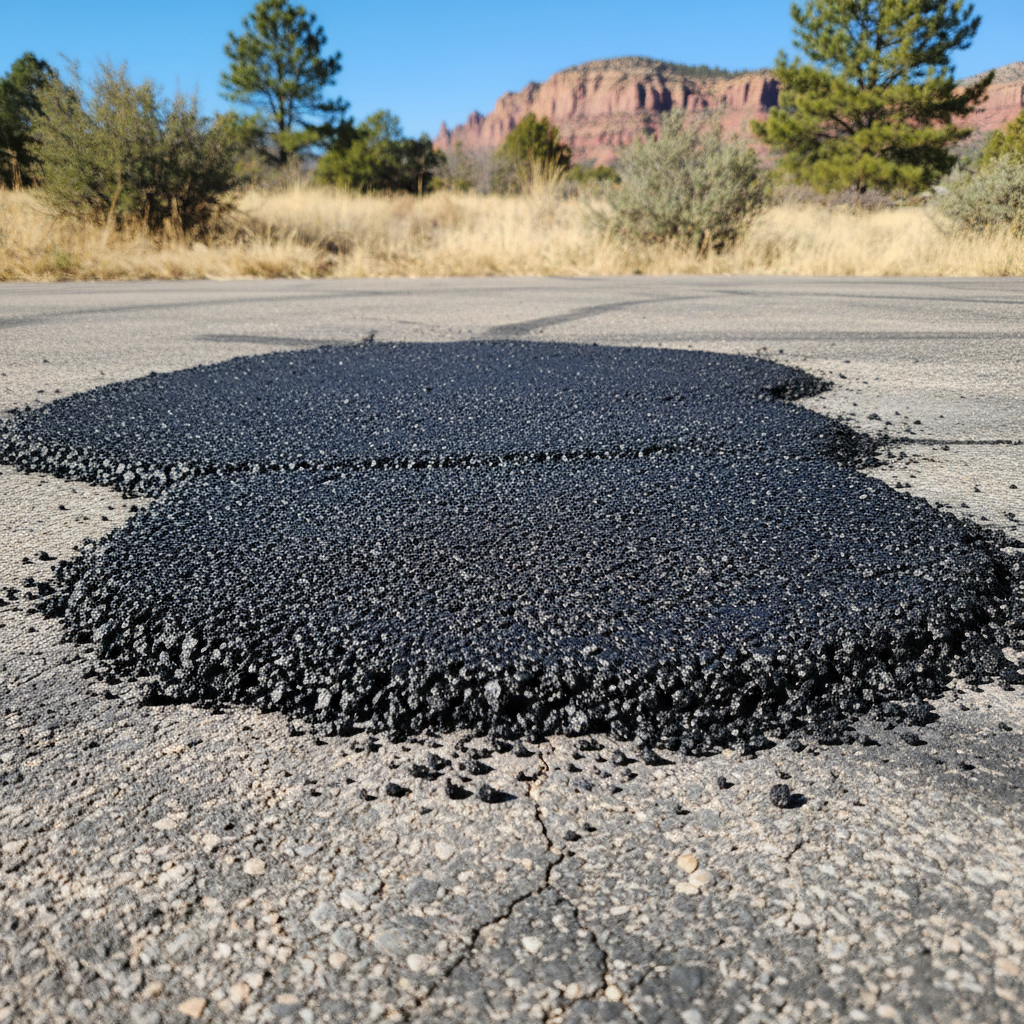
Small Potholes (Cold Patch): For potholes smaller than, oh, a dinner plate and not too deep, cold patch asphalt can be a real lifesaver. Again, getting it ready is crucial. You need to clean out the pothole completely. Scoop out all the loose asphalt, dirt, and any standing water. Square off the edges as best you can with a shovel or pickaxe – this helps the new patch stick better. Then, shovel in the cold patch material, mounding it up slightly. Tamp it down really, really well. You can use a hand tamper, the back of a shovel, or even just drive your car over it a few times. The more you compact it, the better it'll hold. It's not a forever fix, but it'll definitely get you through a season or two and stop things from getting worse.
The biggest thing with DIY is patience and being thorough. Don't rush the cleaning, and don't skimp on the compaction. You're trying to build a stable, water-resistant repair, after all.
When to Call a Pro for Asphalt Repairs
Now, there's a definite limit to what you can fix yourself, and knowing that limit saves you time, money, and a whole lot of frustration. Here's when you should absolutely pick up the phone and call someone like us at Coastal Asphalt Inc:
Large or Deep Potholes: If a pothole is bigger than a dinner plate, or if it's really deep and you can actually see the base material underneath, cold patch just won't cut it. You need a hot mix asphalt repair, and that takes specialized equipment and materials that stay flexible and tough. Trying to fill a huge crater with cold patch is like putting a tiny bandage on a gushing wound; it just won't hold.
Extensive Cracking (Alligator Cracking): When your driveway starts looking like an alligator's back, with a whole network of cracks all connected, that's a red flag for a deeper structural problem. This isn't just surface wear; it means the base layer is failing, or the asphalt itself has really deteriorated. You can't just fill individual cracks here. It usually needs a more serious repair, like an overlay or even a full-depth patch, where we cut out and replace a whole section of the pavement and its base.
Edge Deterioration: If the edges of your driveway are crumbling or breaking off, especially if it's a common issue on properties around places like Skyline Drive where the soil can shift, that often points to poor drainage or an unstable sub-base. These repairs are tricky because you're dealing with the very boundary of your pavement, and they need a really solid foundation to last.
Multiple, Widespread Issues: If you've got cracks over here, potholes over there, crumbling edges way over yonder – basically, if your driveway looks like a patchwork quilt of problems, it's time for a professional to take a look. We can assess the whole situation and recommend the most cost-effective, long-term solution, which might be more than just patching.
Safety Hazards: Any asphalt damage that creates a serious tripping hazard or could damage a vehicle needs immediate, reliable attention. A professional repair ensures it's done right and, more importantly, done safely.
After the Patch: Maintenance Tips
Whether you did it yourself or hired a pro, a patch is only as good as the care you give it. Keep an eye on it. Make sure water isn't pooling on or around the repair. If you start seeing new cracks forming near an old patch, that's a sign you might need to re-evaluate. And remember, regular sealcoating every few years can really help protect your asphalt from the elements and extend its overall lifespan. Think of it like sunscreen for your driveway, you know?
Don't let those small problems turn into big headaches. Tackle them early, and know when it's time to bring in the experts. We're here to help keep your Canon City driveways looking good and lasting long.