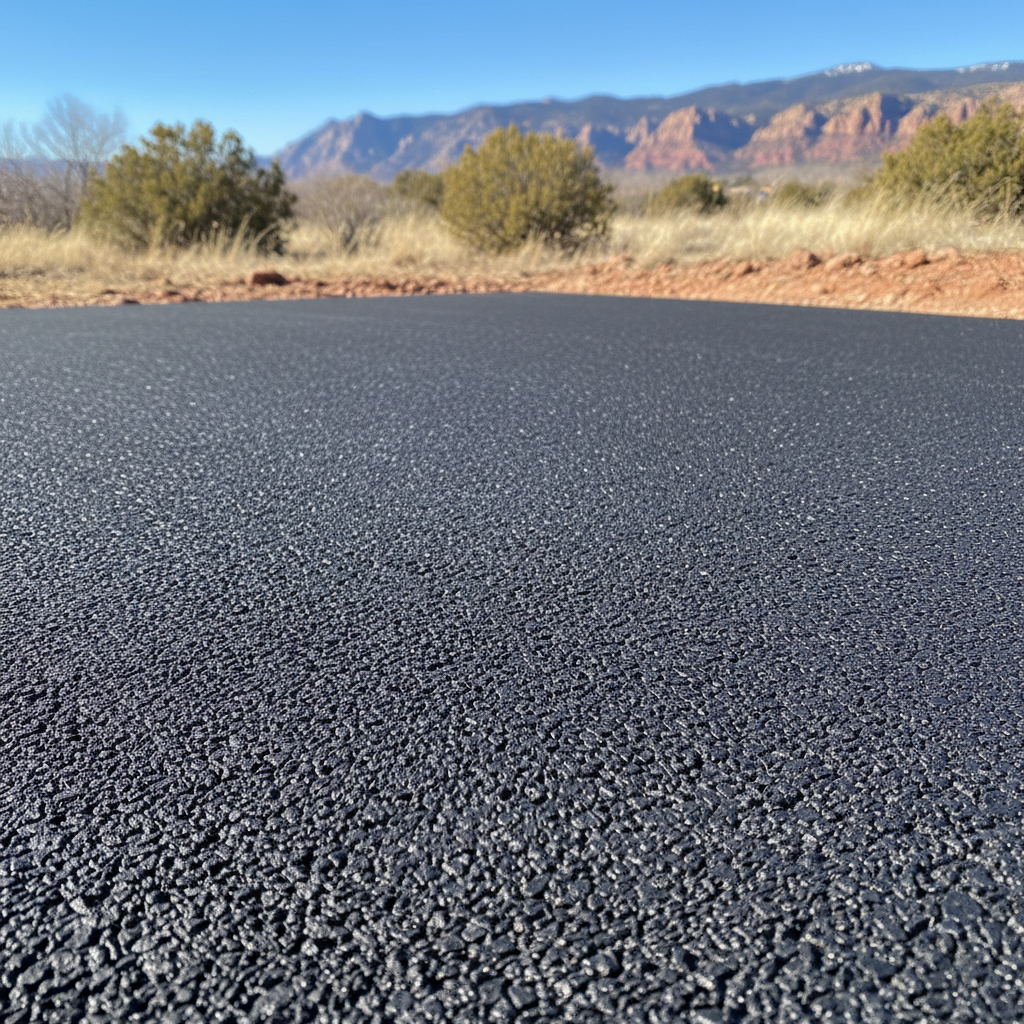
So, you're staring at your driveway, huh? Thinking it's probably time for some asphalt work. Maybe it's all cracked up, full of potholes, or maybe you're just putting in a brand new one. It's a big project, no doubt about it. But here's the thing: you can definitely handle some parts yourself and save a few bucks. For other parts, though, you really need to call in the experts. Let's dig into what you need to know.
Before the Asphalt Truck Shows Up: Your Homework
Before anyone even thinks about laying asphalt, there's a ton of groundwork – literally – that has to happen. This is where you can do quite a bit of the heavy lifting, especially if you're putting in a new driveway or tearing out an old one completely.
First off, think about drainage. This is HUGE, particularly with our afternoon thunderstorms here in the summer. You absolutely do not want water pooling on your fresh asphalt, or worse, running straight into your garage or eroding your home's foundation. You can certainly grab a shovel and make sure the ground slopes away from your house, or that water has a clear path to go somewhere else. If you're not sure, just grab a level and check it out. You're aiming for at least a 2% slope, which means a 2-foot drop over 100 feet. Got serious water problems? You can also dig out trenches for French drains.
Next up is the base. This is the unsung hero of any good driveway, believe me. If you're doing a new installation, you'll need to excavate the area. For a typical residential driveway, you're usually looking at digging down about 8 to 12 inches. You could rent a small excavator or bobcat for this, or if it's a smaller area and you're feeling ambitious, a lot of sweat equity with a shovel will do. Once it's dug out, you'll need to lay down a good layer of aggregate base – usually crushed gravel. You can haul this yourself if you've got a truck, or just have it delivered. Spread it out evenly, then compact it like crazy. A plate compactor rental is your best friend here. The better your base, the longer your asphalt will last. I've personally seen driveways in the Lincoln Park area that failed way too soon because the base wasn't properly prepared for our expansive clay soils.
Now, when it comes to the actual asphalt mix and getting it laid down? That's generally when you want to call in a professional. Asphalt needs to be laid at a specific temperature, compacted quickly and correctly, and it's definitely not something you can just buy at Home Depot and spread with a rake. That's our specialty at Coastal Asphalt Inc. We've got the specialized equipment and crews who do this every single day.
During the Project: What to Expect & How You Can Help
Once you've got the base ready, or if we're handling the whole thing from start to finish, you'll see us roll in with the heavy equipment. There's not much for you to do during the actual paving process other than stay out of the way and let us work. We'll be bringing in hot asphalt, spreading it with a paver, and then compacting it with rollers. It's a pretty quick process once it gets going.
You can help by making sure the area is clear of any obstacles – cars, toys, garden hoses, pets, kids. We need a clear path to get the job done efficiently and safely. We'll always give you a heads-up on when we're coming and what needs to be cleared out.
After the Pave: Keeping Your Driveway Looking Good
Okay, the new asphalt is down, and it looks fantastic. Now what? This is another area where your efforts can really stretch out the life of your investment.
- Stay Off It: This is probably the single most important thing. Fresh asphalt needs time to cure. We'll tell you exactly how long, but generally, you'll want to stay off it for at least 24-48 hours for foot traffic and 3-7 days for vehicles. If it's a really hot Canon City summer day, it might take a bit longer.
- Avoid Heavy Loads & Sharp Turns: For the first few months, try not to park heavy RVs or trailers on it for too long. Also, avoid turning your steering wheel sharply when your car is sitting still. That can scuff and mar the new surface, especially while it's still curing.
- Clean It Regularly: Sweep off dirt, leaves, and other debris. This stops organic matter from breaking down on the surface and causing problems. If you spill oil or gas, clean it up immediately. Asphalt is petroleum-based, so these spills will dissolve it over time. Kitty litter works great for soaking up fresh spills.
- Sealcoating: This is your long-term protection, plain and simple. Sealcoating every 2-3 years is like sunscreen for your driveway. It protects against UV rays, water getting in, and general wear and tear. You can buy sealcoat at hardware stores and put it on yourself with a squeegee or roller, but honestly, it's a messy, tough job. For the best results and proper application, many homeowners choose to have Coastal Asphalt Inc. do it. We've got the right equipment to ensure an even, long-lasting coat.
- Patching Small Cracks: If you spot small cracks forming, deal with them fast. You can buy asphalt crack filler at most hardware stores. Clean out the crack, apply the filler, and let it cure. Don't let small cracks turn into big potholes, right?
Ultimately, a well-maintained asphalt driveway can easily last 20 years or more. Doing some of the prep work yourself and then taking care of it afterward can really make a difference. But for the actual paving? Trust me, you want the pros. We're here to make sure your Canon City home has a driveway that stands up to everything our weather throws at it.