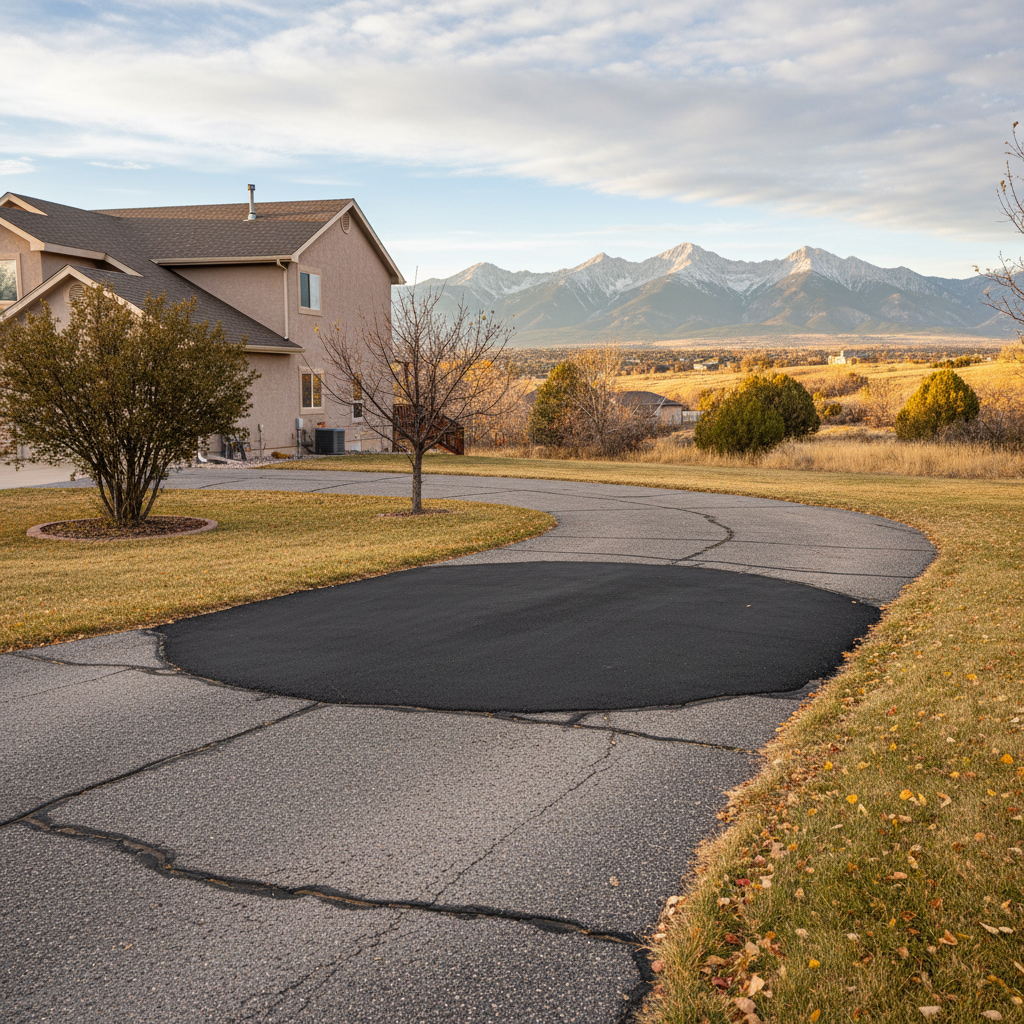
Ever wonder why your asphalt driveway or parking lot seems to take a beating around here? It's not just you, believe me. Our unique climate in Canon City, with those scorching summer days followed by the freeze-thaw cycles in winter, really puts pavement through its paces. As someone who’s been laying and repairing asphalt for years with Coastal Asphalt Inc, I’ve seen firsthand what actually works and what doesn’t when it comes to keeping your investment solid.
When's the Best Time for Asphalt Work?
This is probably the most common question I get, and for good reason. Timing is crucial for a successful asphalt job, whether you’re putting in a fresh install, tackling a major repair, or just doing some crack filling. You can't just pave whenever you feel like it; the weather plays a huge role.
Generally, the sweet spot for most asphalt work in Canon City is spring through early fall. Think late April or May, all the way through September, sometimes even into October if we get a mild spell. Why then? Well, asphalt needs warm temperatures to cure properly. When we lay down hot mix asphalt, it needs to cool down slowly and evenly to get its maximum strength and durability. If it cools too fast, or if the ground underneath is too cold, you're asking for trouble down the road—literally.
For crack filling and sealcoating, you're looking for similar conditions. The asphalt surface needs to be dry and warm enough for the materials to stick and cure correctly. If it’s too cold, or if there's any moisture, those sealants aren’t going to bond right, and you’ll be calling me back sooner than you’d like. And who wants that?
Weather Conditions That Make or Break a Job
So, what kind of weather are we talking about? Here’s a quick rundown:
- Temperature: This is a big one. For hot mix asphalt, we're usually looking for ambient temperatures above 50°F and rising. Daytime highs in the 60s, 70s, or 80s are ideal. If it's too cold, the asphalt cools too quickly, making it hard to compact properly. If it's too hot, like those 100°F days we get in July, the asphalt can stay soft for too long, making it easy to damage while it cures.
- Moisture: Rain is the enemy of fresh asphalt. You can't pave on a wet sub-base, and you can't sealcoat or crack fill if the surface is damp or if rain is in the forecast. Water prevents proper adhesion and can weaken the base layers. We always check the forecast carefully before starting a project, always.
- Wind: While not as critical as temperature or rain, strong winds can affect how fast hot mix asphalt cools. They can also blow debris onto a freshly prepared surface, which we definitely don't want.
Our Canon City microclimates can be tricky, too. One day it's sunny and calm, the next a sudden afternoon thunderstorm rolls in, especially during monsoon season. Or you might have a property up near the hogbacks where it's a few degrees cooler than down in town. We're always keeping an eye on local conditions, not just the general forecast.
Protecting Your Asphalt Investment Year-Round
Getting your asphalt done at the right time is just the first step. To really make it last, you've got to protect it throughout the year. Think of it like maintaining your car—a little preventative care goes a long way.
- Spring Cleaning & Inspection: Once the snow melts and things dry out, take a good look at your asphalt. Are there any new cracks? Potholes forming? Spring is the perfect time to address these small issues before they become big, expensive problems. Filling those cracks now prevents water from seeping in and causing more damage during the next freeze-thaw cycle.
- Summer Sealcoating: This is your asphalt's sunscreen. Sealcoating every 2-3 years (depending on traffic and wear) protects the surface from UV rays, oxidation, and spills. It keeps the asphalt flexible and looking new. Just make sure it's done when temperatures are consistently warm and dry, usually June through August.
- Fall Prep: Before winter hits, make sure your drainage is clear. Leaves, dirt, and debris can block culverts and drains, leading to standing water on your pavement. And standing water, especially when it freezes, is a killer for asphalt. Clear any vegetation growing in cracks or along the edges of your driveway too; roots can cause significant damage over time.
- Winter Care: Try to avoid using metal shovels directly on the asphalt, as they can gouge the surface. If you use de-icers, pick ones that are asphalt-friendly. Sand can provide traction without the harsh chemicals. And if you've got a plow service, make sure they know to keep the blade slightly above the pavement.
Taking these steps, and scheduling your major work during the optimal seasons, will significantly extend the life of your asphalt. You'll save money in the long run and keep your property looking sharp. If you've got questions about your specific situation or need an assessment, don't hesitate to give us a call at Coastal Asphalt Inc. We're here to help Canon City residents keep their pavement in top shape.